
Independent survey
Condensation & Mould Surveys in Swansea & South Wales
Recurring mould usually points to underlying conditions in the property. We investigate those conditions rather than simply dealing with what you can see. We don't carry out mould removal.
What the survey considers
- Condensation on windows, walls and ceilings
- Relative humidity in affected rooms
- Ventilation and airflow
- Room and surface temperatures
- Cold surfaces and thermal bridging
- Dew point and moisture conditions
- Patterns of recurring mould growth
Why the conditions matter
Condensation forms when moist air meets a surface cold enough to bring it to its dew point. How often that happens depends on how much moisture is produced, how it is ventilated and how cold particular surfaces become.
Mould that returns after cleaning is often a sign that these conditions haven't changed. Our survey aims to identify the contributing factors so that any next steps address them.
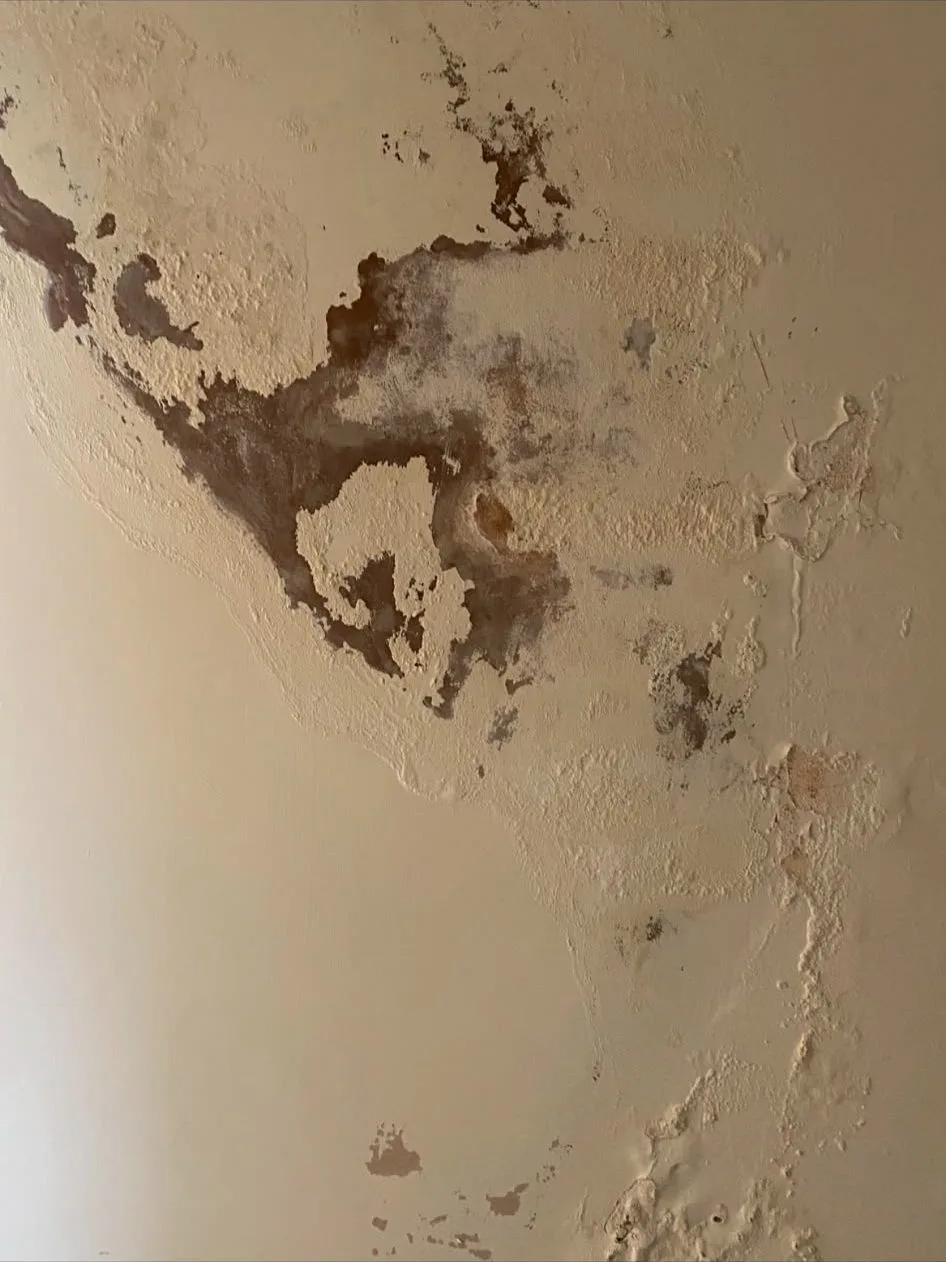
Distinguishing condensation from other damp
Condensation can look similar to penetrating or ground moisture, and more than one source can be present at the same time. Measurements and observation help separate them, where appropriate supported by humidity readings and thermal imaging.
Your written report
After the inspection you'll receive a professional written report explaining:
- Observed findings
- Likely causes
- Relevant contributing factors
- Recommended next steps
Inspections cover accessible areas and are non-invasive unless otherwise agreed. Concealed defects may not be identifiable without further investigation.
Questions
Related surveys
Damp Surveys
Investigating damp patches, persistent moisture and musty conditions to identify likely causes.
Find out moreTimber Surveys
Inspecting accessible structural and joinery timbers for wet rot, dry rot, decay and wood-boring insects.
Find out moreDamp & Timber Surveys
A combined investigation where moisture problems may be affecting structural or joinery timbers.
Find out moreDiscuss your property
Tell us what you've noticed and where the property is. We'll explain whether a survey is appropriate and what it would involve.